
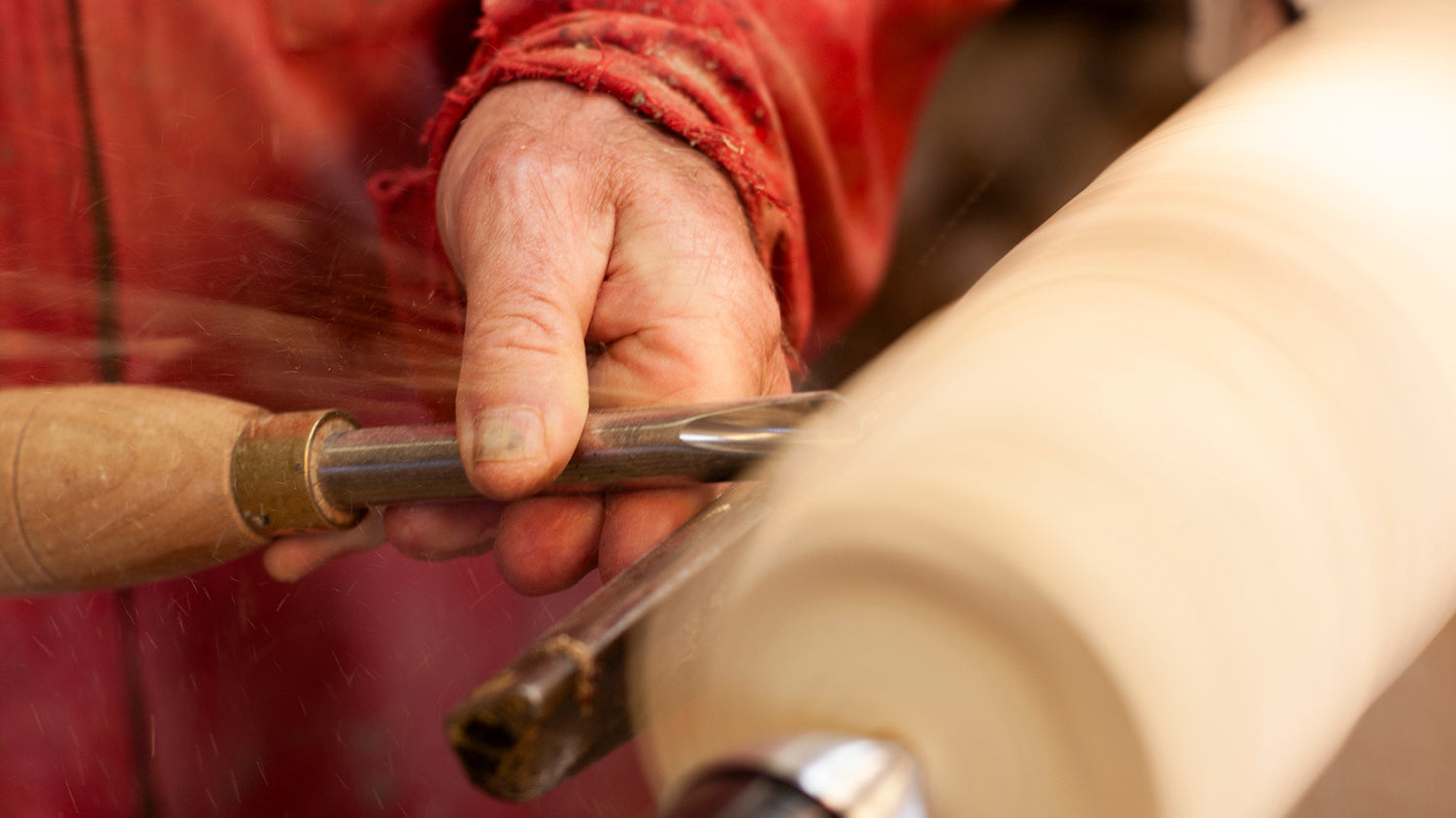
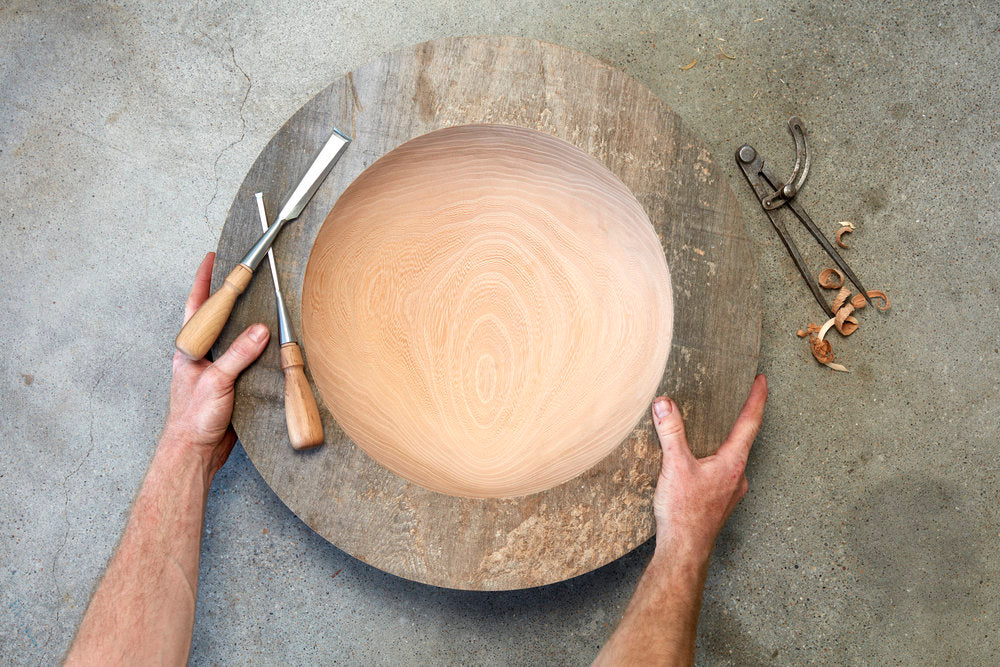
It starts with reading the raw timber
The circularity of the tree
Meet our woodturners
-

Otto Koedijk
Read Otto's storyAs a maker you have to think about: What am I looking for? What do I think? What am I showing? And I continue to be amazed by the beauty of wood.
-

Rick Blauw
Read Ricks storyFrom local trees I make products with stories. For example, a series of bowls made of wood from Amsterdam school gardens.


See the collection made by our woodturners
-

See the bowls they make
See the bowls they makeDraumr's wooden bowls are hand-turned from a single, solid piece of wood, making each bowl a unique masterpiece of nature and craftsmanship.
-

Other items they make
See other woodturning itemsThe other handmade home accessories within Draumr form a unique collection of artisanal objects.
-

Show them on your Dining table
Complete your dining tableA table is often the heart of a home – where people eat, work, laugh, and live.


